Missing teeth are more than a cosmetic concern; they change how your mouth functions and how your jaw ages. Modern dental implants restore the physical structure under the tooth as well as the visible crown, which is why many patients and clinicians consider them the most reliable long-term solution for tooth replacement. Implants support chewing efficiency, preserve facial contours, and help prevent the gradual shifting of neighboring teeth that can occur after tooth loss.
Unlike removable options, implant-retained restorations attach to the jaw in a way that mimics natural tooth roots. That anchorage translates into stability when you speak, smile, or enjoy your favorite foods. For people seeking a solution that performs like a natural tooth and blends seamlessly with adjacent teeth, implants offer an unmatched combination of function and aesthetics.
At Gassler Dental we focus on personalized plans that match each patient’s needs and expectations. Every restoration begins with an assessment of oral health, bone volume, and long-term goals so that the chosen solution supports both appearance and lasting function.

A dental implant is a small, biocompatible post, typically made from titanium or a titanium alloy, that is placed in the jawbone to serve as a stable foundation for a restoration. Once the implant is positioned, the body gradually bonds to its surface in a process called osseointegration. That biological fusion is what gives implants their trademark stability and longevity.
The implant itself is only one component of the final tooth replacement. Typically, an abutment connects the implant to a custom-designed crown, bridge, or denture. Together these parts recreate the look and function of a natural tooth while distributing biting forces through the jawbone the same way a root would, which helps preserve bone and facial structure.
Clinical planning and precise placement are key. We use careful diagnostics and imaging to identify the ideal location, angulation, and length of the implant so the restoration that follows fits comfortably, performs predictably, and looks natural within the smile.
When only one tooth is missing, a single implant restored with a crown can replace that tooth without altering adjacent healthy teeth. This self-supporting approach restores the tooth’s appearance and function while avoiding the need for a conventional bridge that would require reshaping neighboring teeth.
The goal for a single-tooth implant is to create a seamless match in color, shape, and bite so the restoration looks and behaves like the tooth it replaces. With careful planning and high-quality materials, these restorations are both durable and esthetic.
For two or more adjacent missing teeth, implant-supported bridges provide a stable option that preserves surrounding natural teeth. Rather than relying on nearby teeth for support, the bridge is anchored to strategically placed implants. This preserves tooth structure and maintains the stimulation the jawbone needs to avoid resorption.
Implant-supported bridges can be crafted to restore proper chewing function and to recreate natural tooth contours, making them a strong choice for replacing multiple teeth in a row.
When most or all teeth in an arch are missing, implants can support a full-arch restoration that behaves like a fixed set of teeth. Options range from implant-retained removable overdentures to fixed, non-removable prostheses anchored by four, six, or more implants. Full-arch approaches reduce the need for adhesives and eliminate common denture movement while restoring confidence and function.
Many patients appreciate that full-arch implant restorations allow for immediate improvement in aesthetics and chewing ability, with a planned transition to long-term prosthetics once healing and integration are complete.
Successful implant care begins with a comprehensive consultation. This includes a review of medical and dental history, a careful exam of soft tissues and remaining teeth, and imaging to evaluate bone quality and anatomy. These steps ensure we select the right implant type and plan any preparatory procedures that might be needed, such as extractions or bone grafting.
Implant surgery is usually performed as an outpatient procedure under local anesthesia, and sedative options are available for patients who prefer additional relaxation. The duration and complexity of the surgical visit depend on the number of implants and whether preparatory work is required. Many treatment plans are completed in stages to prioritize healing and predictability.
After placement, implants need time to integrate with the bone. During this healing phase patients may receive a temporary restoration to maintain function and appearance. Once integration is confirmed, we design and place the final crowns, bridges, or dentures to deliver a comfortable, natural-feeling result.

Sufficient bone volume is the most important anatomical factor for implant success. When bone has been lost due to periodontal disease, long-standing tooth absence, or trauma, a bone graft can rebuild the site so an implant has a stable foundation. Grafting materials and techniques vary, and your treatment plan will identify whether grafting is needed and when it should be performed.
After treatment, routine oral hygiene and regular dental visits are essential. Implants are highly resistant to decay, but the surrounding gums and supporting bone still require attention. Daily cleaning, periodic professional maintenance, and prompt treatment of gum inflammation are important steps to protect your implant investment and overall oral health.
Clinical studies show consistently high long-term success rates for implants when cases are properly planned and maintained. Individual outcomes depend on factors such as overall health, oral hygiene, and adherence to follow-up care. Our team provides clear aftercare guidance and support so patients understand how to protect their new restorations for years to come.
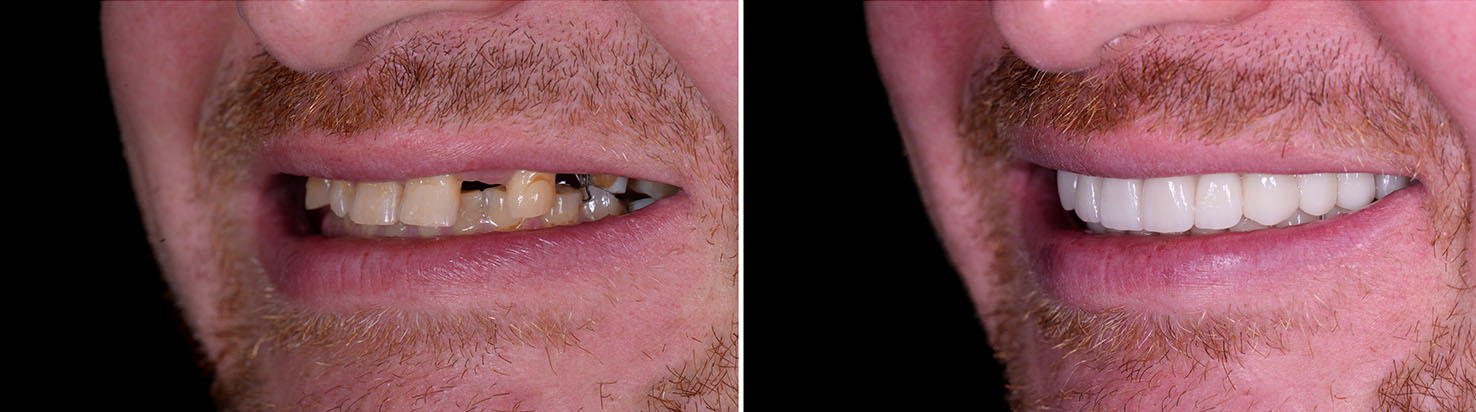
Missing teeth don’t have to be permanent. Modern implant therapy offers predictable, natural-looking options tailored to each patient’s needs. If you’d like to learn more about how implants might fit into your care plan, contact us at Gassler Dental for additional information and to schedule a consultation.


A dental implant is a small, biocompatible post, typically made from titanium or a titanium alloy, that is placed in the jawbone to serve as a foundation for a replacement tooth. Over weeks to months the bone bonds to the implant in a process called osseointegration, which creates the stability needed for long-term function. The implant, an abutment, and a custom crown or prosthesis work together to recreate the appearance and force distribution of a natural tooth.
This biological and mechanical integration allows restorations to resist normal chewing forces and to help preserve surrounding bone. Because implants transfer load into the jaw, they help maintain facial contours and reduce the bone loss that follows tooth extraction. Proper planning and precise placement are important to ensure a natural appearance and predictable performance.
Implant-supported restorations provide stability that removable dentures cannot match, which improves chewing efficiency, speech, and overall comfort. By anchoring restorations to the jaw, implants distribute biting forces through bone much like natural roots, which helps preserve bone volume and facial structure. This anchorage also prevents the movement and slippage often experienced with traditional dentures.
In addition to function, implants offer durable, natural-looking esthetics because crowns and prostheses are custom-designed to match adjacent teeth. Patients often find implants easier to maintain since they eliminate the need for adhesives and allow normal oral hygiene practices. For many people, the combination of function, comfort, and appearance makes implants a long-term tooth replacement option.
Good candidates generally have adequate jawbone volume, healthy gums, and a commitment to daily oral hygiene and regular dental visits. Certain medical conditions and habits, such as uncontrolled diabetes or heavy smoking, can affect healing and may require management before implant therapy is recommended. A comprehensive evaluation including medical history and imaging is required to determine candidacy.
At Gassler Dental we assess bone quality, gum health, and any medical considerations during the consultation to create a tailored treatment plan. Many patients with controlled chronic conditions can still receive implants with appropriate coordination of care. If bone is insufficient, preparatory procedures like grafting can often make implant placement possible.
Treatment begins with a detailed consultation, a clinical exam, and imaging (often including three-dimensional scans) to evaluate bone anatomy and nearby structures. A restorative-driven plan determines implant position, angulation, and the type of final prosthesis so the surgical steps support optimal esthetics and function. The plan also identifies whether extractions, grafting, or other preparatory procedures are needed before placement.
Implant care is frequently staged to prioritize healing and predictability; some patients receive a temporary restoration while the implant integrates. Final crowns, bridges, or dentures are designed and placed after integration is confirmed and soft tissues have matured. Clear communication about timelines and expectations helps patients understand each phase of care.
Implant placement is usually performed as an outpatient procedure under local anesthesia, and our team will talk with you about ways to stay comfortable during treatment. The surgeon positions the implant into the prepared site, and sutures are placed when needed; the complexity and number of implants influence the duration of the appointment. Many patients experience mild swelling and soreness for a few days that is managed with over-the-counter or prescribed medications and home care.
Osseointegration requires weeks to months, during which time a temporary restoration may be used to preserve esthetics and function. Follow-up visits monitor healing and check integration before the final prosthesis is fabricated. Most patients return to normal activities within a few days, while full functional progression follows the clinician’s timeline for integration.
Sufficient bone volume and density are essential for implant stability, so grafting is recommended when bone has been lost due to periodontal disease, long-term tooth absence, or trauma. A bone graft rebuilds the implant site by adding bone or bone substitute material, and the new tissue is allowed to mature before implant placement. When implants are planned in the upper jaw near the sinuses, a sinus lift may be performed to create the vertical height needed for secure anchorage.
The type and timing of grafting depend on the clinical situation; some grafts are placed months before implant surgery while others can be done at the same time as implant placement. Healing times vary but are discussed during treatment planning so patients understand the sequence. Modern grafting techniques have high success rates when combined with careful planning and maintenance.
Restorations range from single crowns that replace one tooth to implant-supported bridges for multiple adjacent missing teeth and full-arch solutions for most or all teeth in an arch. Single-tooth implants restore a tooth without altering neighboring teeth, while implant-supported bridges anchor prostheses to implants rather than relying on natural teeth for support. Full-arch options include removable overdentures retained by implants and fixed prostheses that are secured to multiple implants.
The choice of restoration depends on the number and location of missing teeth, bone volume, esthetic goals, and functional needs. Each option is designed to recreate appropriate contours, occlusion, and speech characteristics while maintaining oral health. Your dentist will recommend the most predictable solution based on a restorative-driven plan.
Daily oral hygiene is essential to protect the gums and supporting bone around implants; brushing twice a day and cleaning between teeth with floss or interdental brushes helps prevent inflammation. Professional maintenance visits allow the dental team to remove buildup and check for early signs of peri-implant disease or mechanical issues with the prosthesis. Consistent care reduces the risk of complications and supports long-term stability.
A healthy lifestyle also contributes to implant longevity, so quitting tobacco and managing systemic conditions like diabetes are important preventive steps. If you notice redness, bleeding, mobility, or persistent discomfort around an implant, contact your dental provider promptly for evaluation. Early intervention greatly improves the chances of maintaining successful implants.
Like any surgical procedure, implant therapy carries potential risks including infection, impaired healing, and implant failure if osseointegration does not occur. Other complications may include nerve irritation, sinus involvement in the upper jaw, or mechanical problems with the abutment or prosthesis. Many risks are minimized with thorough planning, proper surgical technique, and strict postoperative care.
Certain factors (such as smoking, untreated gum disease, poor oral hygiene, and uncontrolled systemic conditions) can increase the chance of complications. Regular follow-up visits allow the dental team to detect and manage issues early, and prompt care can often resolve problems before they threaten the implant. Your clinician will review risk factors and mitigation strategies during the consultation.
Clinical research shows high long-term success rates for properly planned and maintained implants, with many restorations lasting decades when oral health is preserved. Success depends on factors such as bone quality, surgical placement, prosthetic design, daily hygiene, and control of medical conditions that affect healing. Regular professional maintenance and prompt management of gum inflammation help extend the functional life of implants.
If you would like a personalized assessment or have specific questions about implant options, contact Gassler Dental in downtown Tampa to schedule a consultation. A tailored evaluation will clarify your candidacy, outline the recommended sequence of care, and explain what to expect at each stage of treatment.

Ready to schedule your next dental appointment or have questions about our services?
Contacting Gassler Dental is easy! Our friendly staff is available to assist you with scheduling appointments, answering questions about treatment options, and addressing any concerns you may have. Give us a call, request an appointment online, or fill out our convenient contact form. Take the first step toward the smile of your dreams and discover the difference personalized dental care can make.