Invisalign® has changed how many people think about orthodontic care: precise, removable, and low-profile aligners designed to move teeth with predictable digital planning. For patients who want an effective way to improve alignment without metal brackets, Invisalign® offers a contemporary alternative that fits into everyday life rather than interrupting it. At Gassler Dental, we pair proven aligner technology with personalized clinical oversight to help patients reach their goals comfortably and confidently.

Invisalign® for Teens

Invisalign® for Brides

Invisalign® for Travelers
Before & After Photos
Invisalign® Videos
FAQs
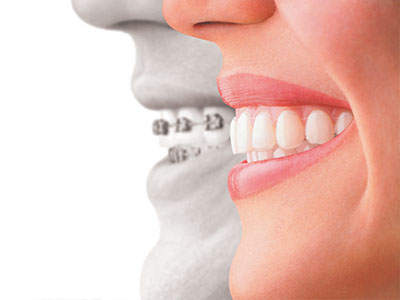
Invisalign® vs Braces
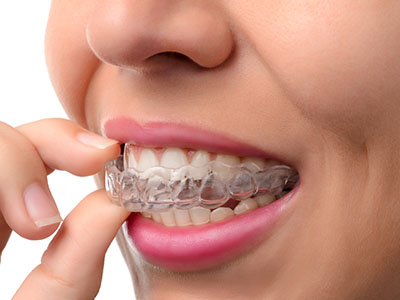
Invisalign® vs Direct-To-Consumer Aligners
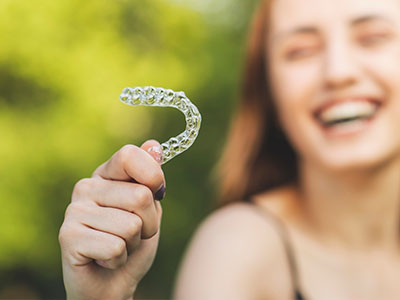
Is Invisalign® Right For Me?

Invisalign® Costs
Clear aligner therapy works by applying gentle, staged forces through a sequence of custom-made, nearly invisible trays. Each aligner is designed to shift teeth a fraction of a millimeter before you move to the next tray, creating a gradual and controlled progression toward your planned smile. Because the process is mapped out in advance using digital models, the movement of individual teeth can be visualized and refined before active treatment begins.
Beyond aesthetics, straightening teeth with aligners can improve how your bite fits together, reduce uneven wear, and make home oral hygiene more effective by closing tight contact points where plaque can collect. Aligners sit over the teeth rather than bonding to them, which preserves enamel integrity and allows you to remove devices briefly for meals and routine cleaning.
While many patients appreciate the discreet look of clear aligners, the clinical advantage lies in the combination of digital planning and custom manufacturing. That combination enables consistent, repeatable outcomes for a wide range of alignment concerns when delivered under professional supervision.
Contemporary aligner protocols begin with a detailed digital scan of your teeth and bite. That scan is used to create a 3-D representation of your mouth, which lets your clinician design the tooth movements needed to reach the treatment objectives. Planning software simulates the sequence of aligners, allowing the team to make adjustments and set milestones for specific movements.
Custom aligners are fabricated to match the targeted tooth positions at each phase of treatment. Because the sequence is pre-planned, appointments are generally focused on monitoring progress and refining details when small adjustments are needed rather than on reactive changes. This proactive approach gives patients a clearer sense of the timeline and expected outcomes.
Digital planning also supports better communication. Visuals from the planning software make it easier to explain complex movements and trade-offs, so you’ll have a more informed role in decisions about attachments, staging, or complementary procedures that can improve results.
After an initial consultation and scan, your aligner sets are produced and delivered in series. You’ll wear each set for the recommended interval, typically a couple of weeks, then switch to the next one in the sequence. Regular check-ins with your dentist allow progress to be assessed and any necessary refinements to be incorporated into the plan.
Most patients find the transition to aligners straightforward. There can be a short adaptation period for speech and pressure when a new tray is introduced, but discomfort is usually mild and temporary. Because aligners are removable for eating and cleaning, patients can keep their normal routines with minimal disruption, although wearing aligners for the prescribed hours each day is essential for predictable movement.
Throughout treatment, clinicians monitor alignment, bite relationships, and overall oral health. If attachments or small auxiliaries are recommended to guide specific movements, they are placed conservatively and designed to work with the clear trays. At the end of active alignment, a retention phase is planned to preserve the new positions and protect the long-term result.
Clear aligners are well-suited to correct a variety of common concerns, including mild to moderate crowding, small gaps between teeth, and certain bite irregularities. Because aligners can be designed to apply controlled forces to individual teeth, they are effective at shifting crowns and, in many cases, improving how the upper and lower teeth meet.
There are clinical limits to every approach, and some complex cases, often involving significant skeletal differences or severe rotations, may benefit from combined strategies or traditional orthodontic appliances. Your dentist will assess the complexity of your condition and recommend the most appropriate path, which sometimes includes collaboration with or referral to specialized orthodontic providers for multidisciplinary care.
Choosing the right treatment depends on clear clinical goals, realistic expectations, and a plan that prioritizes oral health as much as appearance. When used appropriately, aligners are a reliable tool within the broader spectrum of contemporary orthodontics.
At your first visit, we focus on understanding your objectives, performing a thorough exam, and capturing the digital information needed to build a personalized plan. That plan outlines the anticipated sequence of movements, the expected duration of active alignment, and the post-treatment retention strategy that keeps teeth stable after movement is complete.
Clinical oversight is a key difference between professionally prescribed aligner therapy and over-the-counter alternatives. Supervised care ensures that progress is tracked, adjustments are made if necessary, and oral health considerations, such as gum health and decay risk, are addressed proactively. This oversight improves the likelihood of a smooth experience and an outcome that meets both functional and cosmetic goals.
After active treatment, retainers are prescribed to maintain your new alignment. Retention strategies vary based on the individual case, but they are an essential step in preserving the results achieved through the aligner process. Our team will discuss a retention plan that fits your lifestyle and long-term maintenance needs.
Contact us for more information about Invisalign® and how this treatment could fit into your overall dental care plan.
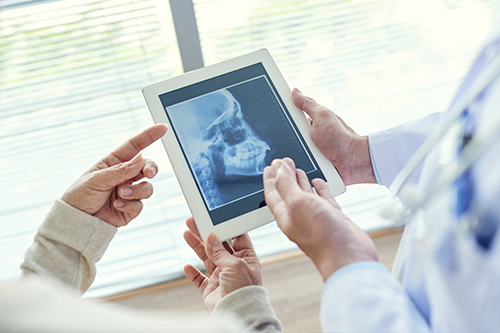
A targeted evaluation allows your doctor to review your dental history, examine your bite, and capture the digital records used to design a tailored plan just for you.
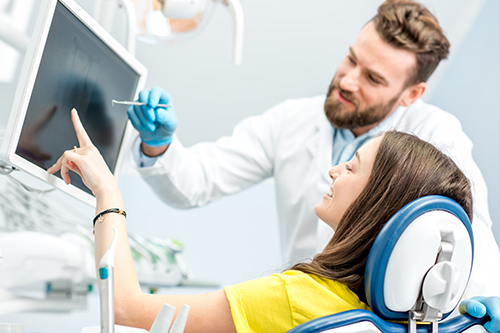
Using the scan, your clinician maps the sequence of aligners and discusses expected milestones so you’ll know what to expect at each stage.
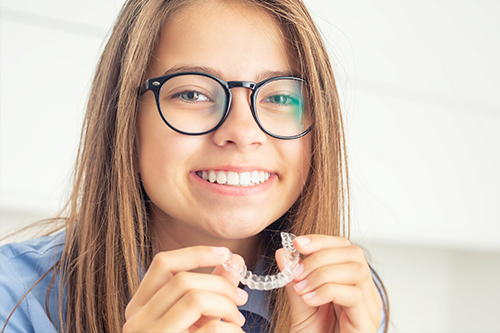
Your first trays are crafted to the specifications of your plan, with comfort and fit in mind to make daily wear straightforward.

From periodic progress visits to a personalized retention strategy, clinical follow-up helps protect your investment in a healthier, more functional smile.
Watch firsthand videos that describe typical experiences and procedural steps during Invisalign® therapy.
*Invisalign® is a registered trademark of Align Technology, Inc.
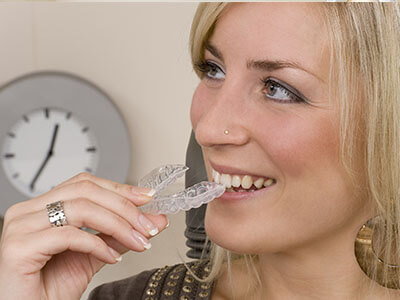

Invisalign® is a modern orthodontic system that uses a series of clear, removable aligners to move teeth incrementally into planned positions. Each aligner is custom fabricated to fit the current dental arrangement and exert gentle, controlled force on specific teeth. Because movements are staged, the process focuses on small, predictable shifts rather than large, abrupt changes.
Treatment begins with digital records that map the desired outcome and the sequence of aligners needed to reach it. With professional oversight, the clinician evaluates progress at intervals and makes adjustments when needed to keep the plan on track at the office of Gassler Dental.
Unlike traditional braces, which use bonded brackets and archwires, Invisalign® relies on removable plastic trays that cover the teeth. This design preserves enamel integrity by avoiding adhesive attachments on most surfaces and allows patients to remove appliances briefly for eating and cleaning. The clear, low-profile nature of the trays also makes them less visually noticeable than metal brackets.
Clinically, the key differences are the workflow and the tools used: Invisalign® treatment is planned on a digital model and delivered as a preplanned sequence, while fixed appliances are adjusted chairside. Both approaches can achieve excellent results for many conditions, and the dentist will recommend the option that best fits the patient’s goals and oral health needs.
Clear aligners are well suited to address mild to moderate crowding, spacing, and many common bite irregularities, including certain overbites, underbites, and crossbites. Because each aligner can be designed to apply specific forces to individual teeth, aligners often work effectively for tipping, translation, and minor rotations. The technology is also useful for improving tooth alignment to facilitate better hygiene and reduce uneven wear.
There are clinical limits to any method, and severe skeletal discrepancies or highly complex rotations may require adjunctive procedures or alternative appliances. During an initial evaluation, the dentist will assess the complexity of the case and explain whether Invisalign® alone is appropriate or if a combined treatment plan is recommended.
Treatment begins with a detailed digital scan of your teeth and bite, which is used to build a 3-D model of your mouth. Planning software simulates each phase of tooth movement so the clinician can visualize the complete treatment sequence, make refinements, and set realistic milestones before aligners are fabricated. This preplanned workflow improves predictability by anticipating how teeth will respond at each step.
Digital visuals also enhance communication between patient and provider by showing expected outcomes and discussing options like attachments or staging strategies. These discussions help set expectations about timing, monitoring visits, and any additional procedures that may optimize results.
After consultation and scanning, a series of aligners is produced and delivered for sequential wear, with most patients changing trays every one to two weeks as directed. Regular check-ins allow the clinician to verify progress, address concerns, and make small refinements when necessary to maintain the planned trajectory. The overall duration depends on the complexity of the case, the movements required, and patient compliance with wear time guidelines.
Many patients experience a brief adaptation period with new trays, and occasional pressure is normal when a new aligner is introduced. Clinical monitoring during treatment helps manage any unexpected issues and ensures oral health is preserved throughout active alignment.
It is common to notice slight changes in speech for a short period after starting a new aligner, but most patients adapt quickly as their tongue and lips adjust to the tray surface. Any discomfort is typically limited to mild pressure when switching to a new aligner and usually subsides within a few days. Severe pain is uncommon, and persistent issues should be evaluated by the clinician to check fit and progress.
Because aligners are removed for meals, the devices do not create the same soft-tissue irritation risk as some fixed appliances, and the removable design supports normal oral hygiene. If attachments or auxiliaries are used, the team will explain how they may affect comfort and what to expect during the adaptation period.
Good aligner care begins with removing trays for eating and brushing teeth before reinserting them to reduce trapped food and staining. Clean aligners daily with a soft brush and lukewarm water or the cleaning method recommended by the clinician to avoid warping or damage. Avoid hot water, which can alter the fit, and store trays in a protective case when not in use to prevent loss or contamination.
Maintaining routine brushing and flossing is essential because aligners sit close to tooth surfaces; better hygiene supports healthier gums and a lower risk of decay during treatment. Regular professional cleanings and monitoring visits help ensure that oral health remains stable as teeth move.
Good candidates are typically adults and teens with mild to moderate alignment issues who can commit to wearing aligners for the recommended daily hours and attending periodic check-ins. Candidates should have healthy gums and no untreated dental disease, as active decay or significant periodontal problems need to be addressed before orthodontic movement begins. A comprehensive exam and digital records allow the dentist to determine whether aligners are clinically appropriate for each individual.
Some cases involving major skeletal discrepancies, severe rotations, or certain tooth movements may be better managed with fixed appliances or a multidisciplinary approach. The dentist will explain any limitations and, when needed, coordinate care with specialists to achieve the best functional and esthetic outcome.
Attachments are small, tooth-colored composite shapes bonded to certain teeth to give the aligner a better grip for specific movements, such as rotations or vertical control. Elastics or other auxiliaries may be recommended when bite correction requires interarch force or when additional anchorage improves predictability. These adjuncts are placed conservatively and are integrated into the planned sequence when the software predicts they will enhance results.
The need for auxiliaries is determined during digital planning and confirmed during clinical visits, and the team will discuss how they function and how to maintain them. Most adjunctive elements are temporary and tailored to the individual plan to minimize impact on daily life while improving treatment effectiveness.
Retention is a critical phase that follows active alignment and is designed to preserve the new tooth positions achieved during treatment. Retainers, either removable or fixed, are prescribed based on the case specifics and help prevent relapse as the surrounding bone and soft tissues adapt. The dentist will outline a retention schedule and demonstrate proper retainer care to maintain long-term stability.
Follow-up visits allow the team to monitor retention and address any shifting early if it occurs, and patients are encouraged to maintain regular dental checkups for ongoing oral health. A well-planned retention strategy protects the investment in improved alignment and supports lasting functional and esthetic benefits at Gassler Dental.

Ready to schedule your next dental appointment or have questions about our services?
Contacting Gassler Dental is easy! Our friendly staff is available to assist you with scheduling appointments, answering questions about treatment options, and addressing any concerns you may have. Give us a call, request an appointment online, or fill out our convenient contact form. Take the first step toward the smile of your dreams and discover the difference personalized dental care can make.